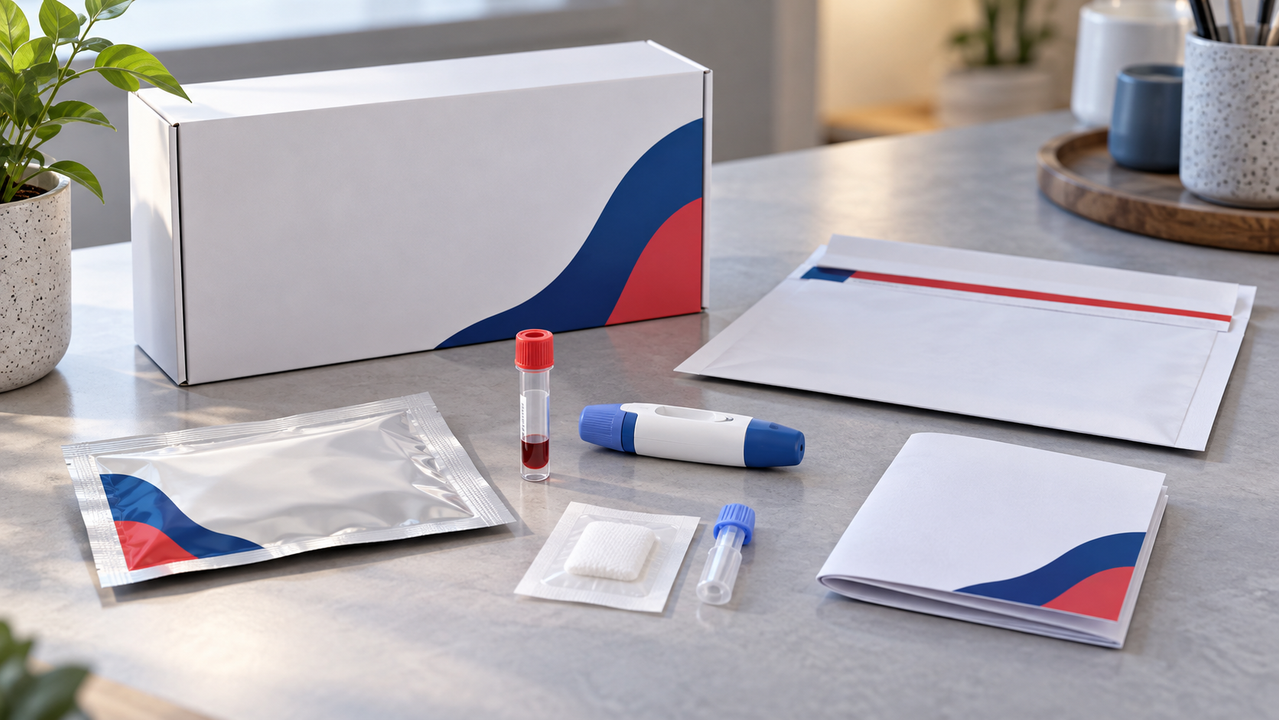
Accurate labelling is essential when handling a home blood test sample to ensure the reliability of results and appropriate processing. The process of how to label a home blood test sample correctly involves careful attention to detail, proper documentation, and adherence to specific guidelines. This article provides an in-depth analytical breakdown to assist individuals in navigating each step with clarity and precision.
For those using a home blood test kit, understanding the significance of proper specimen labelling can prevent delays or errors in laboratory medicine. This guide targets general users who seek to maintain sample integrity and support accurate pathology testing outcomes. By focusing on the core mechanics and structural elements of sample labelling, the article clarifies common challenges and best practices.
Accurate labelling begins with including critical details such as the full name of the individual, date of birth, and the exact date and time the blood sample was collected. These identifiers ensure that the sample can be matched correctly to the patient's records during analysis. Omitting or inaccurately recording any of these details can lead to sample rejection or misidentification.
In addition to personal information, it is important to note any specific test codes or identifiers provided with the home blood test kit. These codes assist laboratory staff in prioritising and categorising the specimen appropriately. Clear handwriting or, where possible, printed labels reduce the risk of misinterpretation at the processing stage.
Applying labels directly onto the sample container in a manner that does not obscure any critical markings is a core principle. The label should be firmly affixed to avoid detachment during transport. Using waterproof or smudge-resistant labels, when provided, helps maintain legibility even if the container encounters moisture.
For blood collected via finger prick blood test UK kits, the small size of collection tubes requires precision in label size and placement. Care must be taken to avoid covering the cap or obstructing barcode scanning areas, if applicable. This attention to detail supports efficient laboratory processing and reduces handling errors. In case where you demand to find out more information on at home blood test, you must look at DragonDX site.
Errors such as incomplete information, illegible writing, or the use of ambiguous abbreviations can compromise sample validity. These mistakes often lead to delays in testing or the need for sample recollection, causing inconvenience and potential disruption in patient care. It is crucial to double-check all information before sealing the sample for dispatch.
Another frequent issue arises when multiple samples are collected but not individually labelled with distinct identifiers. Clear differentiation between samples prevents cross-contamination of results and maintains the integrity of laboratory quality assurance. Recognising these pitfalls aids in developing robust labelling habits for home blood test samples.
The labelling process should be integrated seamlessly into the sample collection procedure to minimise errors. For instance, it is advisable to prepare the labels before the blood draw to ensure immediate application after collection. This approach reduces the risk of sample mix-up or misplacement.
Home blood test kits, such as those offered by DragonDX, often include detailed instructions on specimen handling and labelling. Following these instructions meticulously supports a smooth transition from collection to laboratory receipt. It also aligns with standard protocols observed in professional sample collection settings.
Handwritten labels provide flexibility and immediate customisation but are more susceptible to human error and legibility issues. Conversely, pre-printed labels generated online or through the test provider reduce these risks but require accuracy in data entry beforehand. Selecting the appropriate method depends on the user's comfort level and the complexity of the testing process.
Another consideration is the use of barcode labelling systems, which offer enhanced traceability and reduce manual errors. However, the availability of such technology in home testing scenarios remains limited. Balancing convenience and accuracy is essential when choosing the labelling approach.